
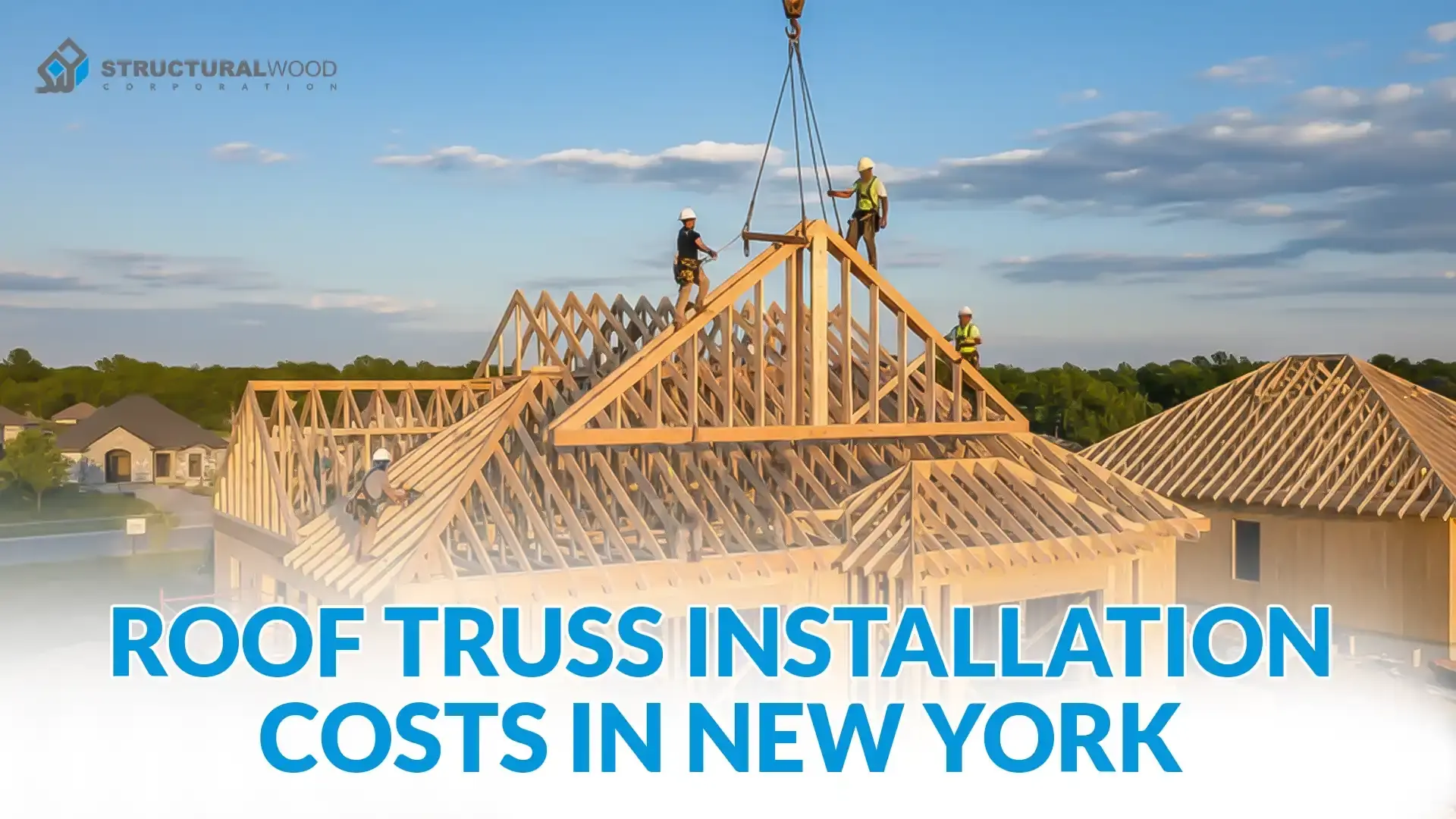
What do roof truss installation costs in New York really include?
Many quotes bundle materials, delivery, and crane into one price, so you cannot see each part. Building rules, weather, and labor then push the total up.
Here is the part many miss. Prefabricated trusses can look pricey at first, yet they save time, reduce errors, and keep schedules steady. A clear scope and stamped drawings prevent delays that cost more than the trusses themselves.
This guide explains the real cost drivers, from design and span to crew and site access. Use it to plan with confidence and avoid unexpected costs.
Let’s get into it.
What Goes Into Roof Truss Installation Costs
Price is more than a per-truss number; it is a mix of design, labor, and site reality.
Material Types and Grades
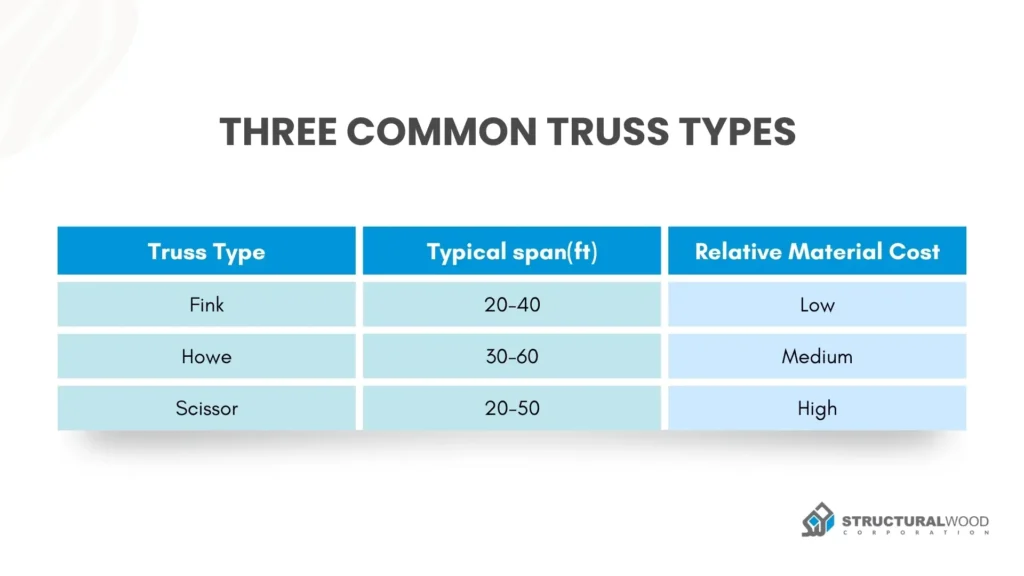
Lumber species, grade, and treatment change price and performance. Treated members, higher grades, and special hardware add cost but may be required by your plans or environment.
Design loads in New York, including ground snow per state-adopted code, drive upsize or plating on certain spans and pitches, which changes the bill quickly.
Budget watch: Ask the supplier for an itemized quote that separates the truss package, hardware, delivery, and crane so you can compare each bid line by line.
Design and Code Loads
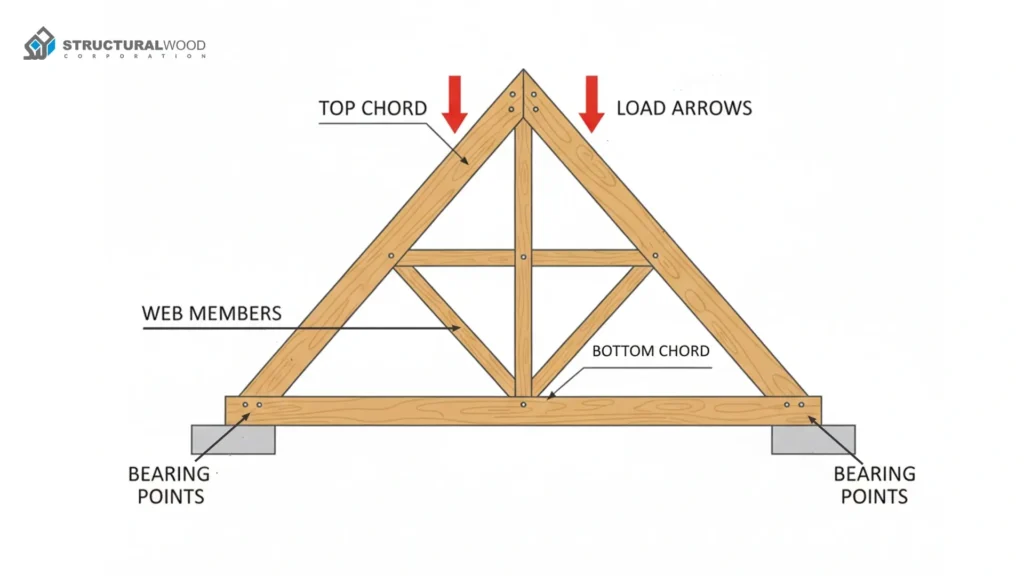
Engineering choices determine how many trusses you need, their spacing, and the connector plates. In New York, roof design must use mapped ground snow values from the state code, based on ASCE 7, with adjustments for elevation.
That can push you toward deeper chords, heavier plates, or tighter spacing. Truss design drawings must be prepared by a registered design professional when required by local statute and must show loads and key assumptions.
Plan smarter: Confirm snow, wind exposure, and any special loads on the drawings before pricing. Revisions after shop drawings add time and cost.
Labor, Equipment, and Site Access
Labor pay is different in each county. Public jobs can require the prevailing wage. That higher pay and benefits make the installation cost go up.
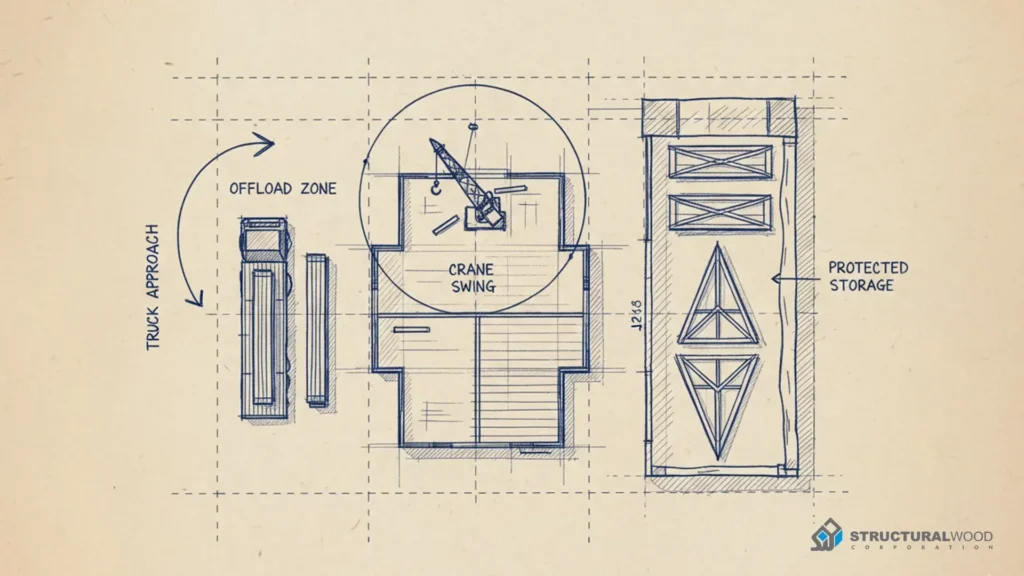
Crane time, travel, and permits also affect the number. Tight streets, overhead lines, or tricky staging add setup time and extra lifts. Complex or multi-crane picks require a formal plan and qualified oversight under OSHA rules.
Field check: Walk the site path from the truck to the set line. Note turning radius, ground bearing, and power lines. Share photos with your truss partner to right-size the crane and crew.
The Takeaway: Understanding how materials, code loads, and site logistics work together helps you control the two biggest variables: rework and time on-site. Clear assumptions up front let you lock a realistic number and keep schedule risk low.
Average Roof Truss Prices Across New York
From Buffalo to the Bronx, labor and logistics change the final number.
Residential vs. Commercial
Homes and commercial buildings play by different rules. Loads, access, and safety codes can change how much you spend and how fast crews can work.
| Factor | Residential | Commercial | Cost Impact |
| Typical spans and loads | Shorter spans, lighter design loads. | Longer spans, heavier design loads. | Commercial is often higher. |
| Complexity | Fewer penetrations, simpler shapes | More penetrations and equipment zones. | Commercial is often higher. |
| Labor | Smaller crew, faster set. | Larger crew, longer set windows. | Commercial is often higher. |
| Crane | Smaller crane, short pick windows. | Larger crane, more picks. | Commercial is often higher. |
| Compliance | Standard local permitting. | Prevailing wage or union rules may apply. | Commercial is often higher. |
| Schedule risk | Lower. | Higher. | Commercial is often higher. |
Field saver: If in New York City, confirm crane permits and staging space before you price the set.
Regional Differences
Labor rates and access vary by county. NYC and Long Island often price higher due to site constraints, traffic windows, and union rules, while many upstate counties price lower but add miles for trucking. Use the state’s wage schedules to sanity check labor assumptions by county before you compare bids.
Prefab Trusses vs. Site-Built Framing
Unit price can look low. Once you add labor and time on-site, prefab is often the better deal.
| Factor | Prefab Truss | Site-Built Framing | Cost Impact | When It Wins |
| Material price per unit | Often higher. | Often lower. | A site built may look cheaper on a unit price. | Site built on very simple, small spans. |
| Labor hours | Lower. | Higher. | Prefab lowers total labor. | Prefab on most roofs due to faster set. |
| Rework and errors | Lower. | Higher. | Prefab lowers rework cost. | Factory jigs reduce mistakes. |
| Schedule certainty | Higher. | Lower. | Prefab reduces delay risk. | Tight timelines or winter work. |
| Crane and handling | Planned bundles and picks. | More piece handling. | Prefab lowers crane time and handling. | Bundled delivery with a clear staging plan. |
| Code and stamps | Shop drawings, sealed when needed. | More field checks and site measures. | Prefab simplifies approvals in many places. | Jurisdictions that expect sealed truss drawings. |
| Total installed cost | Often lower. | Often higher. | Prefab is lower in many cases. | Complex roofs, higher loads, or busy seasons. |
Plan early: Ask for stamped shop drawings where required. Early sign-off cuts repeat review cycles and protects your crane day.
How to Budget for Roof Truss Installation
Planning Your Truss Budget the Smart Way
A good number starts with clear assumptions, not guesses.
Get Stamped Drawings Early
Shop drawings with loads, spans, bearing points, and plate specs keep everyone aligned. Stamps, where required, make plan review smoother and protect your schedule. Share these with your GC and crane company before pricing.
Checklist to request: Load assumptions, truss spacing, uplift and bracing notes, bearing details, and any special hardware.
Confirm Local Loads and Code Inputs
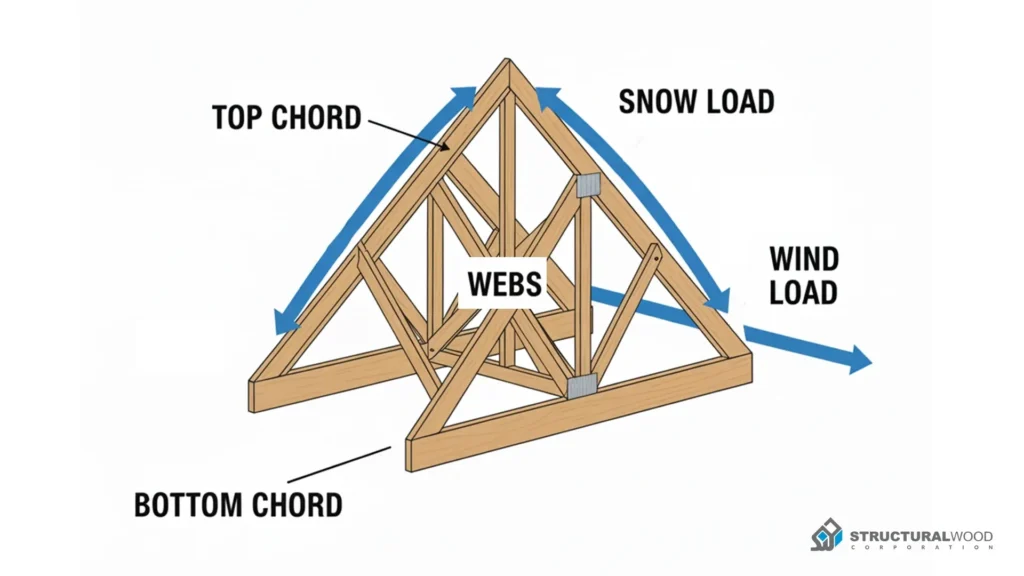
New York projects must reflect local ground snow, wind exposure, and any special conditions. Use the state snow load map to set realistic design values, then price to that scope. Higher loads can mean deeper chords, larger plates, or tighter spacing, which changes material and crane time.
Reality check: Ask your engineer to list snow and wind loads on the drawings. It prevents resubmittal cycles later.
Account for Delivery, Crane, and Site Access
Line up delivery windows with crane day. In New York City, certain lifts need Department of Buildings permits and a plan by a licensed professional. Tight streets and power lines can add time and extra picks. OSHA crane rules also shape how crews work. Build these items into your estimate so the “install” line does not surprise you.
Field saver: Walk the path from the truck to the set line. Share photos and a sketch with your truss partner to right-size the crane and crew.
Build Labor Right for Your County
Public works and some subsidized private jobs can trigger prevailing wage. Rates vary by county and trade. Check the schedule before you compare bids so your labor line is realistic.
Quick check: Ask the GC if Article 8 applies. Then pull the county schedule and align crew rates.
How to Reduce Roof Truss Installation Costs
Small choices early can save real money later.
Choose Engineered Trusses
Factory-built trusses cut cutting time, lower errors, and speed up the set. You pay for precision up front and save it back in labor and fewer call-backs.
Pro tip: Ask for a layout that matches your crew’s flow. Clear numbering on bundles and trusses shortens crane time.
Order Ahead and Lock Dates
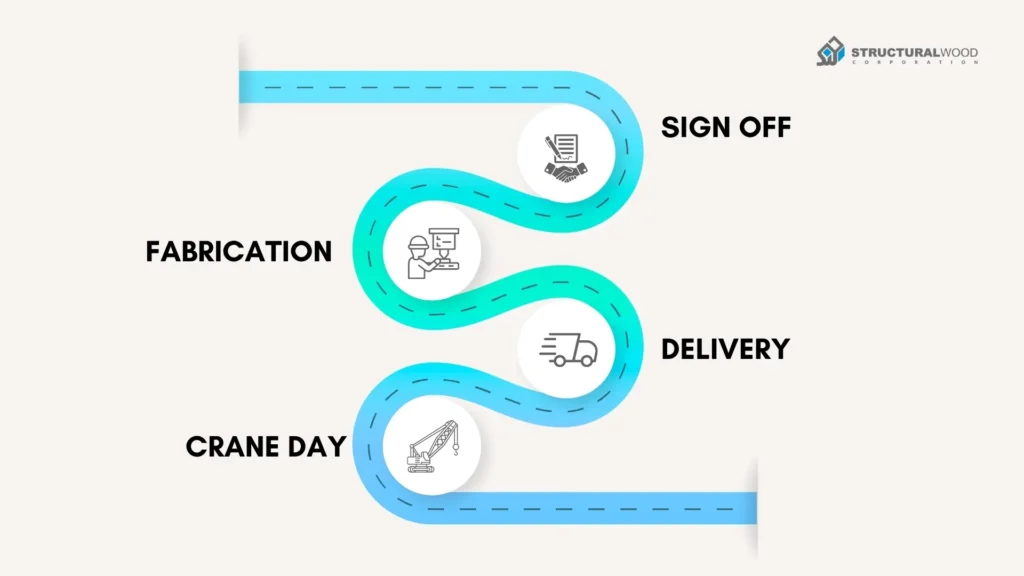
Lead times move with the season and demand. When you book early, you avoid rush fees and protect your crane day from last-minute shifts.
Planner’s note: Confirm two dates in writing. Production complete date and on-site delivery window.
Simplify Site Access
Tight turns, soft ground, and overhead lines add hours. A clean path from truck to set line reduces picks, rehandling, and delay risk.
Field saver: Send site photos and a quick sketch to your supplier. They will right-size the truck and crane and plan the bundles.
Get Stamped Drawings Early
Clear loads, spacing, and bearings keep plan review smooth and avoid repeat review cycles. The sooner you lock assumptions, the easier it is to hold the price.
Quick check: Make sure snow load, wind exposure, and any special hardware are listed on the drawings.
Coordinate the Crane Plan
Pick radius, lift weight, and street rules set crane size and time. A written plan avoids idle time for both the crew and the crane.
On the day: Have a spotter, tag lines, and a staging plan ready. The bundle order should match the set sequence.
For how trusses move from design to fabrication to site assembly, see the steps in the Roof Truss Design Guide.
Build Right with Structural Wood Corporation
When you understand what drives roof truss installation costs, you cut last-minute changes, protect your schedule, and keep the budget predictable. Clear inputs, stamped drawings where required, and a simple crane plan turn a risky day into a smooth one.
Structural Wood Corporation designs and builds custom-engineered trusses for projects across New York. Our team focuses on fit, consistency, and on-time delivery, so crews spend less time waiting and more time setting.
Request your free quote or connect with our design team to discuss your next project.
FAQs
How much do roof truss installation costs in New York run?
It depends on span, pitch, loads, and site access. Ask for an itemized quote that separates the truss package, delivery, and crane.
Do I need stamped truss drawings?
Yes, in many areas. Officials often require sealed truss drawings that show wind and snow loads.
Are prefabricated trusses cheaper than rafters?
On total installed cost, often yes. Prefab can cut labor hours, errors, and crane time.
How long does installation take?
A simple home can be set in one day with the right crew and crane. Complex roofs or tight sites take longer.
Does Structural Wood Corporation deliver across New York?
Yes. Share your site address for timing and a clear price.