
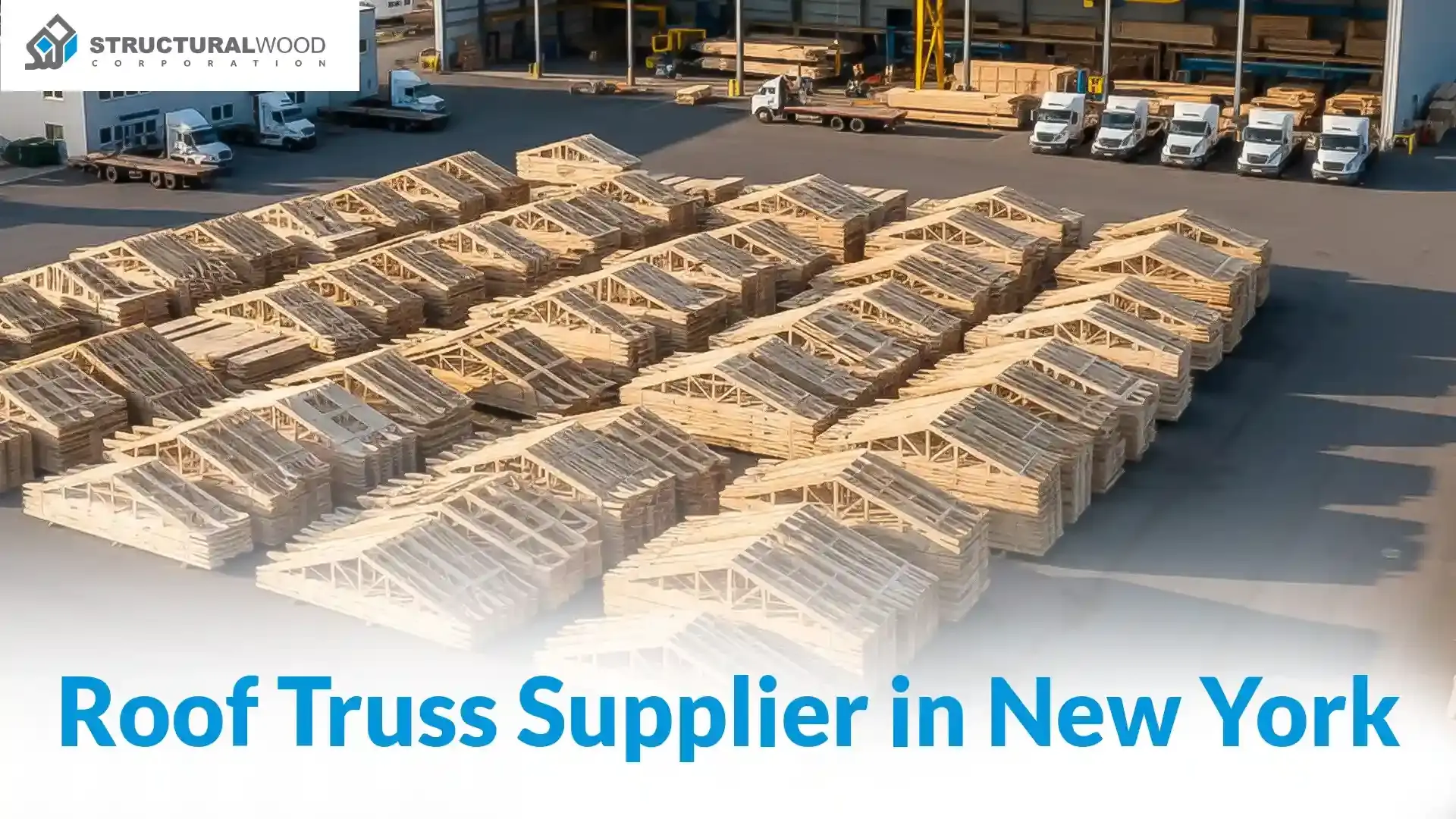
New York City has its construction codes, which are based on the International Building Code and adapted for the city’s specific needs.
Inspectors from the Department of Buildings apply these rules on job sites. Choosing the right roof truss supplier in New York helps you comply with regulations and ensure your project is safe, on time, and within budget.
Not every supplier can deliver the engineering, paperwork, and delivery schedule that New York projects need. Some promise low prices and then miss key steps. Others use weak materials or provide poor drawings. The result is delays, change orders, and stress on-site.
This guide shows you how to pick a supplier with proven engineering, clear pricing, and reliable lead times so your build stays compliant and moves forward without hassle.
Let’s get into it.
Why Your Roof Truss Supplier Matters
Your roof is only as safe as the parts and people behind it.
A strong supplier protects the structure. Correct engineering, the right lumber grades, and sound connections keep loads moving safely from roof to foundation. That is what resists wind and prevents joint failure.
A dependable supplier also protects your schedule. Clear shop drawings, quick responses to RFIs, and on-time deliveries reduce idle crews and change orders. Good logistics mean fewer lifts, fewer returns, and less waste on-site.
Finally, the right partner protects your budget. Transparent quotes, plate and lumber specs, and verified spans help you avoid rework and surprise fees.
Pro check: Ask for recent stamped calculations, a sample submittal package, and an on-time delivery rate for the last quarter. If you cannot get those in writing, keep looking.
Key Factors to Consider When Choosing a Roof Truss Supplier
Small misses become big delays. Use this quick checklist to sort a steady partner from a risky bid before you sign.
Licensing and Code Compliance
Work with a supplier who designs and submits to the New York City Construction Codes and can speak to the exact chapter or section that governs your project. NYC has its own codes with local rules, and inspectors from the Department of Buildings enforce them on-site. Ask which NYC code edition and amendments they follow.
Quick check: Ask for a recent submittal package that passed plan review. It should show the code edition, design loads, and sealed calculations.
Engineering Quality
Look for stamped calculations and clear load paths from roof to wall to foundation. A continuous load path helps the structure resist wind and other forces and reduces the chance of joint failure.
Tip: Ask the supplier to mark the path on a drawing so your crew can see how loads travel through every connector.
Need a quick refresher on load paths and span basics? The Roof Truss Design Guide explains the core ideas.
Materials and Grading
Not all lumber grades perform the same. Grades reflect strength-related features such as knots and slope of grain. A good supplier matches the grade to the design so spans and connections have the safety margin the engineer intended.
Note: If you get vague answers about species or grade, press for mill certifications and plate specs.
Special Inspections Where Required
Some truss setups need special inspection. Check if your project needs inspection for metal plate-connected wood trusses, and agree on who will handle the coordination.
Reminder: Plan for inspection access before delivery so you do not lose time once trusses arrive.
Lead Times and Delivery
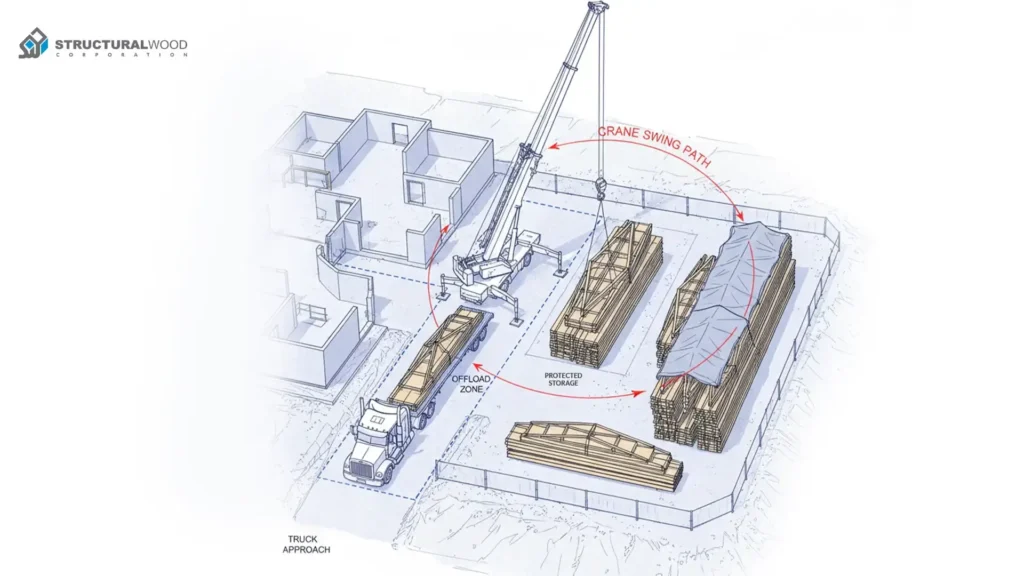
Ask for a written production schedule and delivery window. Reliable suppliers share on-time rates and plan for site constraints like narrow streets or crane time. Late deliveries ripple into labor downtime and extra lifts.
Field saver: Request a staging plan that limits double handling and protects plates during unloading.
Pricing Transparency
The lowest number is not always the lowest cost. Ask for an itemized quote that lists lumber grade, plate type, bracing, hardware, shop drawings, delivery, and any charges for revisions. Clear pricing helps you avoid change orders later.
Heads up: Compare span tables and connector specs across bids to make sure you are not trading cost for capacity.
Service and Coordination
Strong suppliers answer RFIs fast, return shop drawings quickly, and support you during inspections. You should know who to call during framing if a site condition needs a quick fix.
Benefits of Choosing a Local New York Supplier
Local know-how to save time and cut risk on site.
Faster Compliance
A local supplier works with the New York City Construction Codes every day. They prepare submittals that match local rules and know what inspectors look for. That reduces back-and-forth and helps you pass checks the first time.
Smoother Logistics
Moving long trusses into the city is not simple. Local teams plan deliveries around truck routes and permits so streets, bridges, and timing do not become last-minute problems. Ask how they handle truck routing and oversize permits.
Clear Code Boundaries
Rules are not the same statewide. New York City has its own code set, separate from the rest of the state. A local supplier understands when city rules apply and how that affects your drawings and inspections.
Material Choices That Fit the Design
An experienced supplier can explain lumber grades and plate choices in simple terms and match them to your spans and loads. The USDA Wood Handbook is the baseline for wood properties and grading. Expect your supplier to align with it.
Field tip: Ask the supplier to include a one-page delivery plan that lists the truck route, permit needs, and street-side staging. This prevents a scramble on crane day.
Red Flags to Watch Out For
Spot trouble early and save your schedule.
- Vague pricing: If a quote does not list lumber grade, plate type, bracing, drawings, delivery, and revision costs, expect surprise charges later.
- No stamped calculations: If the supplier cannot provide recent sealed calculations and clear spans, your plan review may stall.
- Slow or unclear submittals: Late shop drawings and missing details lead to back and forth with the design team and the inspector.
- Weak communication: If emails and RFIs sit unanswered, expect delays during framing when you need fast help.
- No site logistics plan: Trusses are long, and streets are tight. If there is no delivery and staging plan, crane day can turn into overtime.
- Poor references: If the supplier will not share recent projects in New York, or the references give short answers, treat that as a warning.
Important: Ask for three items before you sign.
- A full submittal sample.
- An on-time delivery rate for the last quarter,
- Lastly, a contact who will answer field calls during framing.
If you cannot get these, keep looking.
Conclusion
Pick a roof truss supplier that proves code knowledge, shows clear engineering, and delivers on time. Ask for sealed calculations, a recent approved submittal, and an on-time delivery record. Check who handles permits and who answers field calls during framing. The right choice protects safety, schedule, and cost.
Ready to lock in the right supplier? Structural Wood can review your truss package, check loads and spans, and compare quotes side by side. Get a free consult or request a clear itemized quote today.
FAQs
What should I check first when choosing a roof truss supplier in New York?
Start with code knowledge and sealed calculations. Ask for a recent approved submittal that lists the code edition, design loads, and spans.
Is a local roof truss supplier in New York better than a national one?
Yes. Local teams know city rules, routes, and permits. That usually means faster reviews and fewer delays.
How do I confirm a roof truss supplier meets New York code?
Request the submittal package used in plan review. It should show the New York City code basis, design loads, and sealed engineering.
What delivery details should a roof truss supplier in New York provide?
A written schedule, site staging plan, and who to call on delivery day. If streets are tight, ask for routing and permit steps in writing.
How do I avoid hidden costs with a roof truss supplier in New York?
Ask for an itemized quote. It should list lumber grade, connector type, bracing, drawings, delivery, and revision charges. Compare bids by spec, not price alone.